


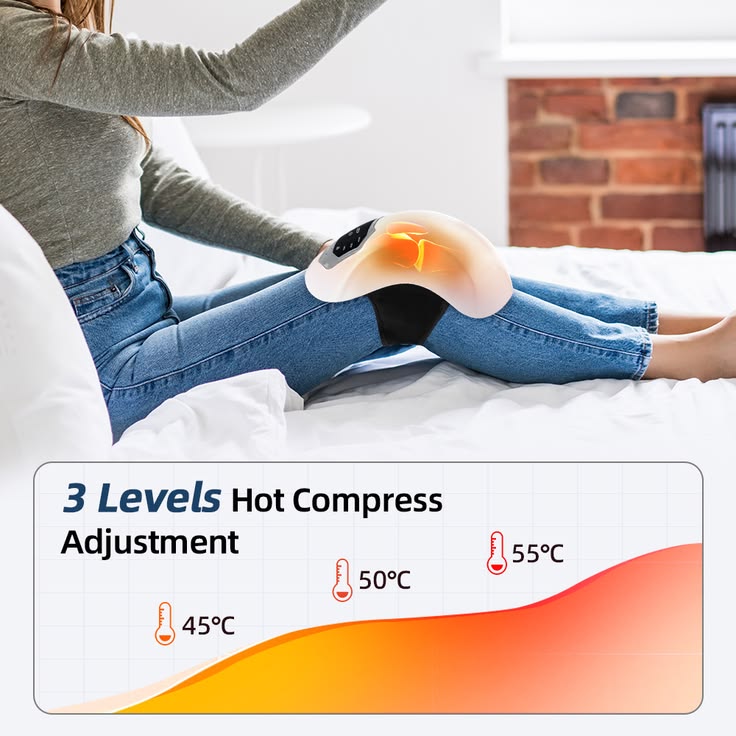
The Rise of At-Home Knee Rehabilitation
Physical therapy has traditionally been associated with clinic visits, guided exercises, and hands-on treatment from professionals. While clinical care remains essential in many cases, a growing number of people are now continuing their rehabilitation at home.
This shift is driven by convenience, cost, and the availability of supportive recovery tools like knee massagers. These devices are not replacements for medical treatment, but they can play a valuable role in supporting recovery between therapy sessions.
When used correctly, a knee massager uk can help maintain progress, reduce stiffness, and improve daily comfort during rehabilitation.
Why Home-Based Rehabilitation Matters
Recovery doesn’t stop when you leave the clinic. In fact, most healing happens during daily life—when the body is resting, moving gently, and adapting to gradual improvements in strength and flexibility.
Without consistent support at home, stiffness can return quickly, slowing progress and making movement more difficult.
Home-based rehabilitation tools help bridge the gap between professional therapy sessions and everyday recovery needs, ensuring that progress is maintained consistently.
The Role of a Knee Massager in Physical Therapy
A knee massager supports rehabilitation by improving circulation, reducing muscle tightness, and encouraging gentle mobility around the joint.
After injury, surgery, or prolonged inactivity, the muscles surrounding the knee often become stiff and weak. This can limit range of motion and make exercises more difficult.
A knee massager helps prepare the joint for movement by warming tissues and relaxing surrounding muscles. This makes physical therapy exercises more effective and comfortable.
Improving Circulation During Recovery
One of the most important goals in rehabilitation is restoring healthy blood flow to the affected area. Good circulation delivers oxygen and nutrients needed for tissue repair while helping remove waste products that contribute to stiffness.
A knee massager uses heat, compression, or vibration to stimulate blood flow around the joint. This helps reduce the feeling of heaviness and supports faster recovery between therapy sessions.
Improved circulation also helps reduce swelling and supports overall joint flexibility.
Reducing Stiffness Between Therapy Sessions
Stiffness is one of the most common challenges during rehabilitation. Limited movement can cause muscles around the knee to tighten, making exercises more difficult and sometimes uncomfortable.
A knee massager helps reduce this stiffness by gently loosening the muscles and encouraging flexibility. Heat therapy softens tight tissues, while vibration or compression helps stimulate movement in the surrounding areas.
This allows patients to maintain mobility more easily between physical therapy appointments.
Supporting Physical Therapy Exercises
Rehabilitation often includes exercises such as leg raises, controlled squats, or range-of-motion movements. These exercises are more effective when the knee is properly warmed up.
Using a knee massager before exercise helps prepare the joint by increasing circulation and reducing tightness. This improves movement quality and reduces discomfort during therapy routines.
It can also be used after exercises to help relax muscles and support recovery.
Encouraging Safe, Gradual Movement
One of the key principles of rehabilitation is gradual progression. The knee must be gently guided back into normal movement patterns without excessive strain.
A knee massager supports this by providing controlled, low-intensity stimulation that encourages safe movement without forcing the joint.
This helps rebuild confidence in motion while reducing fear of discomfort during recovery.
Managing Discomfort During Recovery
Pain and discomfort can sometimes discourage consistent rehabilitation. When movement feels difficult, patients may reduce activity, which can slow recovery.
A knee massager helps manage mild discomfort by relaxing surrounding muscles and improving circulation. This can make daily movement feel more comfortable and less intimidating.
By reducing discomfort, it supports better consistency in rehabilitation routines.
How to Use a Knee Massager at Home
For rehabilitation purposes, a knee massager should be used in short, gentle sessions. Typically, 10 to 15 minutes is sufficient.
It can be used before physical therapy exercises to warm up the joint or after exercises to support relaxation and recovery.
The intensity should always remain low to moderate, focusing on comfort rather than deep pressure.
Combining Therapy With Movement
A knee massager works best when combined with guided movement. After using the device, light stretching or physical therapy exercises can help reinforce flexibility and strength.
This combination ensures that muscles are both relaxed and actively engaged, which is essential for long-term recovery.
Consistency is key—small daily efforts often lead to better results than occasional intensive sessions.
Who Can Benefit From Home Use
Home-based knee massager therapy is useful for individuals recovering from surgery, sports injuries, or joint strain. It can also benefit those managing chronic stiffness or reduced mobility.
It is particularly helpful for people who want to support their rehabilitation between professional sessions or maintain progress independently.
However, it should always be used in accordance with medical advice.
Safety and Recovery Considerations
Safety is essential during rehabilitation. A knee massager should never cause pain, numbness, or excessive heat.
Users should start with the lowest settings and gradually adjust based on comfort. If symptoms worsen, use should be paused and a healthcare professional consulted.
It is a supportive tool, not a substitute for medical treatment or physical therapy guidance.
Conclusion
Rehabilitation at home plays a vital role in long-term knee recovery. While professional therapy provides structure and expertise, daily support is what maintains progress between sessions.
A knee massager can enhance this process by improving circulation, reducing stiffness, and preparing the joint for gentle movement. When used correctly, it becomes a valuable companion to physical therapy routines.
By supporting comfort and mobility at home, it helps individuals recover more confidently and consistently on their path to full knee function.
