


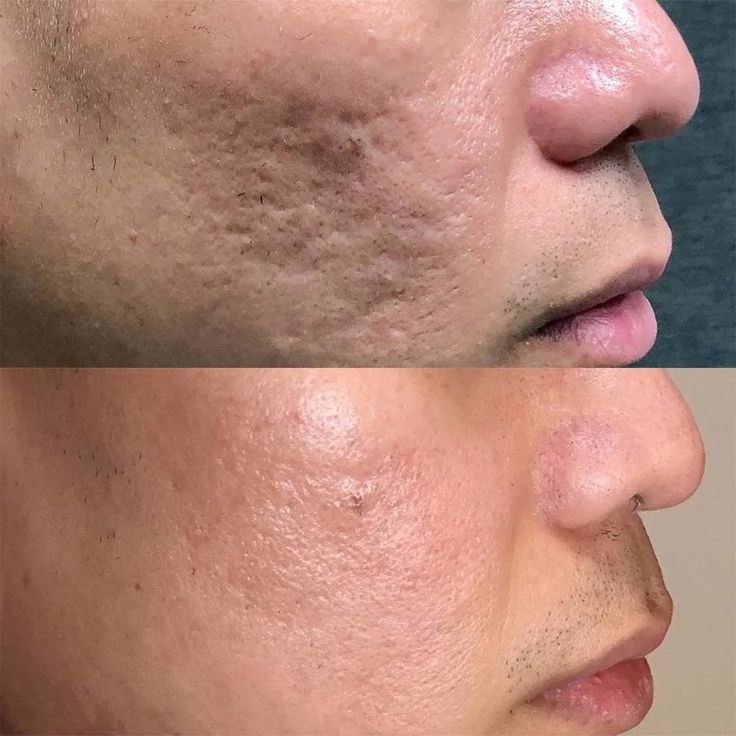
Acne scars can be frustrating because they often remain even after breakouts have completely disappeared. From dark spots and uneven texture to deep depressions in the skin, different types of scars require different approaches.
With countless skincare products, tools, and professional procedures available, many people wonder: Are at-home acne scar treatments worth the investment, or do in-office treatments provide better results?
The answer depends on the type of Acne Scars The Woodlands acne scars you have, your skin goals, your budget, and how much improvement you want to achieve. While home treatments can support healthier skin and improve mild concerns, professional treatments are often necessary for deeper scars.
Understanding Different Types of Acne Scars
Before deciding between at-home and professional treatments, it is important to identify the type of scarring you are dealing with.
Dark Spots After Acne
Post-inflammatory hyperpigmentation appears as brown, red, or purple marks after acne heals. These marks are not true scars and often respond well to skincare ingredients.
Mild Texture Changes
Some people experience roughness, enlarged pores, or slight unevenness after acne. These concerns may improve with consistent home care.
Depressed Acne Scars
Depressed scars occur when collagen is lost during healing, creating indentations.
Common types include:
- Rolling scars
- Boxcar scars
- Icepick scars
These scars often require treatments that stimulate deeper collagen remodeling.
Raised Acne Scars
Raised scars occur when excess collagen forms during healing. These may need specialized medical treatments.
At-Home Acne Scar Treatments: What Actually Works?
At-home skincare can be valuable, especially for preventing new breakouts and improving mild post-acne concerns. However, results are usually gradual.
Retinoids for Skin Renewal
Retinoids are among the most effective over-the-counter ingredients for improving skin texture and supporting collagen production.
They can help:
- Smooth uneven texture
- Reduce clogged pores
- Improve mild acne marks
- Encourage skin renewal
Retinoids require consistent use and may take several months to show noticeable improvement.
Vitamin C for Dark Spots
Vitamin C is widely used for brightening and improving uneven skin tone.
Benefits include:
- Supporting collagen production
- Reducing the appearance of dark marks
- Protecting against environmental stress
It works best when combined with daily sunscreen.
Chemical Exfoliants
Ingredients such as:
- Glycolic acid
- Lactic acid
- Salicylic acid
can improve surface texture and pigmentation by removing dead skin cells.
However, overusing exfoliating products can damage the skin barrier and make irritation worse.
Niacinamide for Skin Barrier Support
Niacinamide is a gentle ingredient that can help:
- Reduce redness
- Improve uneven tone
- Strengthen the skin barrier
- Support healthier-looking skin
It is especially useful for people with sensitive skin.
At-Home Tools: Are They Worth It?
Many skincare devices claim to improve acne scars, including:
- Home microneedling rollers
- LED devices
- Facial exfoliation tools
Some may provide minor improvements, but results are usually limited compared with professional treatments.
Home Microneedling Devices
Professional microneedling uses medical-grade equipment and controlled techniques. Home rollers may not penetrate the skin at the same level and can increase the risk of irritation or infection if not used properly.
LED Light Therapy
LED devices may help reduce inflammation and support acne management, but they generally do not remove deep scars.
In-Office Acne Scar Treatments: Stronger Options
Professional treatments are designed to target deeper changes in the skin structure.
Microneedling
Professional microneedling creates controlled micro-injuries that stimulate collagen production.
It can improve:
- Mild to moderate acne scars
- Uneven texture
- Enlarged pores
Many patients choose microneedling because it provides noticeable improvement with relatively limited downtime.
Fractional Laser Resurfacing
Laser treatments use controlled energy to remodel damaged skin and stimulate collagen.
They may help improve:
- Deeper acne scars
- Uneven texture
- Skin tone irregularities
A dermatologist can adjust treatment intensity based on skin type and scar severity.
Chemical Peels
Professional chemical peels use stronger formulations than typical home products.
They can help with:
- Dark acne marks
- Surface texture
- Dull skin
The right peel depends on your skin tone and sensitivity.
Subcision
Subcision is designed for depressed scars caused by scar tissue pulling the skin downward.
The procedure releases these attachments, allowing the skin to lift.
It is often effective for:
- Rolling scars
- Tethered boxcar scars
Dermal Fillers
Fillers can temporarily lift depressed scars by adding volume beneath the skin.
They are often combined with subcision for improved results.
Comparing At-Home and In-Office Treatments
Cost
At-home treatments are usually more affordable upfront. Skincare products may cost less than professional procedures, but they require long-term commitment.
Professional treatments have a higher initial cost but may create more significant improvements in fewer sessions.
Results
At-home treatments are best for:
- Dark spots
- Mild texture concerns
- Prevention
Professional treatments are better suited for:
- Deep scars
- Structural skin changes
- Significant texture problems
Time Required
Home treatments require patience and consistency. Improvements often take months.
In-office procedures may provide faster visible changes, although multiple sessions are often needed.
Safety
Well-formulated skincare products are generally safe when used correctly.
Professional treatments should always be performed by qualified providers to reduce risks such as:
- Pigmentation changes
- Infection
- Skin damage
When Should You Invest in Professional Treatment?
Professional treatment may be worth the investment if:
- Acne scars affect your confidence
- You have deep depressions in the skin
- Skincare products are not improving texture
- You want more noticeable results
- Scars have remained unchanged for years
A consultation can help determine which procedure offers the best value for your specific concerns.
The Best Approach: Combining Home Care and Professional Treatments
The most effective acne scar strategies often combine both approaches.
Professional treatments can address deeper scar damage, while home skincare helps maintain results.
A complete plan may include:
- Retinoids to support skin renewal
- Sunscreen to prevent discoloration
- Professional procedures for collagen remodeling
- Gentle skincare to maintain the skin barrier
Final Thoughts
When comparing at-home versus in-office acne scar treatments, the best choice depends on the severity and type of scarring.
At-home products can be worthwhile for improving dark spots, preventing acne, and supporting overall skin health. However, deeper scars usually require professional treatments such as microneedling, lasers, subcision, or fillers.
Investing in the right treatment is less about choosing the most expensive option and more about selecting the approach that targets the actual cause of your scars. A personalized treatment plan can help you achieve smoother, healthier-looking skin while avoiding unnecessary expenses.
